

Potable reuse depends on robust, multi-barrier treatment systems to ensure the protection of public health. Full Advanced Treatment (FAT), which typically combines microfiltration (MF), reverse osmosis (RO), and ultraviolet advanced oxidation processes (UV/AOP), is widely regarded as the benchmark approach due to its high level of contaminant removal. However, the energy requirements, operational costs, and management of RO concentrate can present implementation challenges.
Ozone-biological activated carbon (ozone-BAC) has emerged as a promising alternative or complementary treatment strategy. By combining oxidation and biological degradation processes, ozone-BAC can effectively reduce biodegradable organic matter and low-molecular-weight contaminants while enhancing overall treatment robustness and operational resilience. Nevertheless, successful implementation of potable reuse systems requires more than treatment performance alone. Reliable real-time monitoring, validation of treatment barriers, and supportive regulatory frameworks are critical to ensuring long-term safety and public confidence. These elements remain under development in many emerging potable reuse markets, including China.
This presentation compared FAT and ozone-BAC treatment trains, highlighting their respective strengths, limitations, and roles in advancing safe, scalable potable reuse. It also examined the monitoring and regulatory considerations necessary to support potable reuse implementation in evolving regulatory environments.

Download the Application Note
Have questions?
Call us at 1 (888) 220-6118 or complete the form below.
UV Solutions
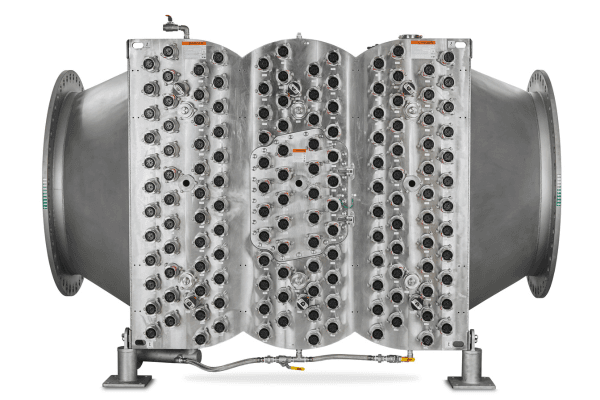
To address water supply and quality challenges, many providers are turning to advanced water treatment processes to enable wastewater reuse and drinking water remediation. TrojanUV systems support these efforts by treating water to stringent standards, using UV advanced oxidation to break down specific contaminants like 1,4-dioxane and NDMA, ensuring the water is high-quality and useable.