

Loading video...
Remediation of Groundwater and Surface Water
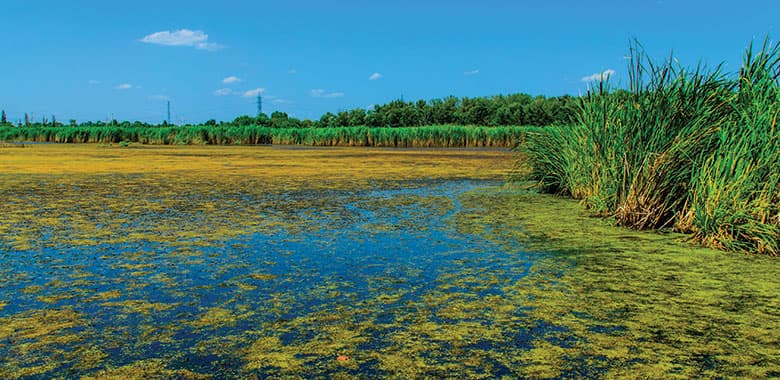
Drinking water sources we rely upon every day are increasingly at risk of chemical contamination. Many of these contaminants have been proven harmful or carcinogenic and must be treated and removed in order for the water to be considered useable. UV AOP is a critical step in the process and is currently being used to treat groundwater and surface water for a variety of contaminants including pesticides, algal toxins, nitrosamines (e.g., NDMA) and 1,4-dioxane.
Potable Reuse
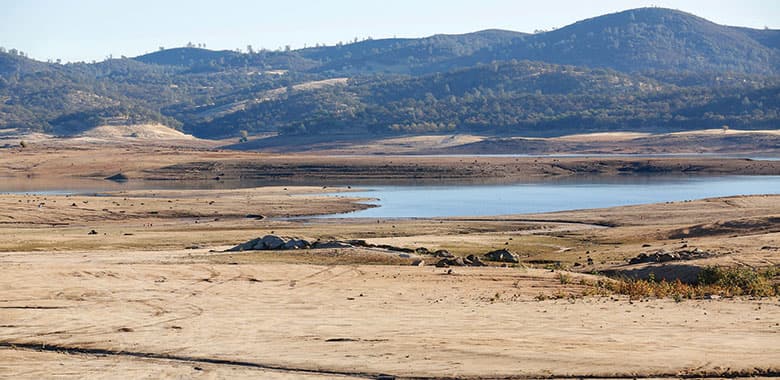
Potable reuse is the process of recycling wastewater for the augmentation of drinking water supplies. UV AOP is a key part of the potable reuse treatment scheme, working alongside microfiltration and reverse osmosis to ensure a high-quality water is produced – water that exceeds the standards for drinking water. The role of UV AOP is to reduce low-molecular-weight contaminants that can pass through RO membranes, such as 1,4-dioxane, NDMA, pharmaceuticals, endocrine disruptor chemicals or industrial solvents.
UV AOP eBook
Learn more about the UV advanced oxidation process in our new eBook
The UV advanced oxidation process (UV AOP) is a water treatment method often employed for the treatment of less pristine sources of drinking water, such as treated wastewater in the case of potable reuse, or contaminated groundwater aquifers in the case of groundwater remediation. Regardless of the application, the commonality of UV AOP treatment sites is the treatment of micropollutants.
The UV Advanced Oxidation Process
UV AOP requires UV light and an oxidant, such as hydrogen peroxide or chlorine. The process occurs in the UV chamber instantaneously with oxidizing radicals attacking and decomposing contaminants.
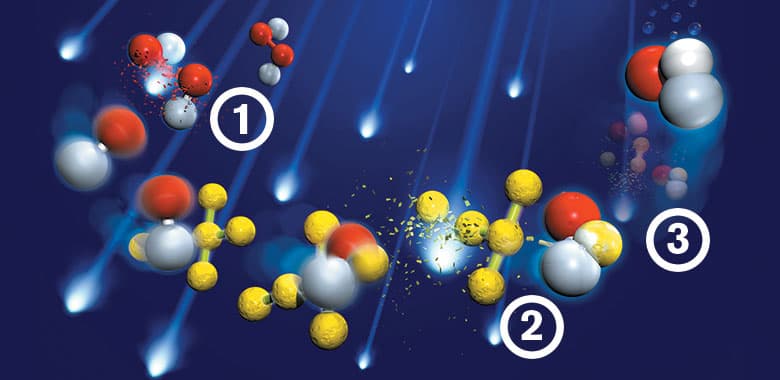
When UV light is introduced into the water, oxidant molecules absorb the UV light. This converts oxidants into highly energetic and reactive oxidizing radicals.
Oxidizing radicals break down the bonds of contaminant molecules and reduce the chemical to its elemental components.
At the same time, UV light treats microorganisms in the water.
UV-photolysis
UV-photolysis is a photochemical reaction in which only UV light (without an oxidant) is required to break down a chemical contaminant. The contaminant molecule absorbs the UV light which breaks down its bonds. In most cases UV AOP is required to treat chemical contaminants, but in some cases, as with NDMA, UV-photolysis is all that is required.
The Benefits of UV AOP
Simultaneous Treatment
Our UV AOP systems can also perform microbiological inactivation to obtain log reduction credits for microorganisms. This is ideal for water providers needing to meet requirements of the Surface Water Treatment Rule, Long Term 2 (LT2) Enhanced Surface Water Treatment Rule, or the Groundwater Rule, in addition to their contaminant removal needs.
Elimination of Residuals
Many other treatment technologies merely transfer the contaminant from one phase to another (e.g. air stripping: from water to air) resulting in a potentially hazardous, contaminant-laden residual that requires further treatment or disposal.
Effective Removal of 1,4-dioxane
UV AOP Breaks Down a Range of Contaminants
Volatile Organic Compounds
1,4-Dioxane
Trichloroethylene (TCE)
Tetrachloroethylene (PCE)
Pesticides
Metaldehyde
Atrazine
Taste and Odor Causing Compounds
2-Methylisoborneol (MIB)
Geosmin
Treatment By-products
N-nitrosodimethylamine (NDMA)
Algal Toxins
Anatoxin
Microcystin
Explosives
Hexahydro-1,3,5-trinitro1,3,5-triazine (RDX)
Hazardous Substances
Cyanide
UV AOP Laboratory
Our renowned team of scientists and researchers have analyzed thousands of water samples from around the world, and our industry-defining UV AOP systems have been installed at treatment plants from California to Australia to treat a wide array of contaminants.
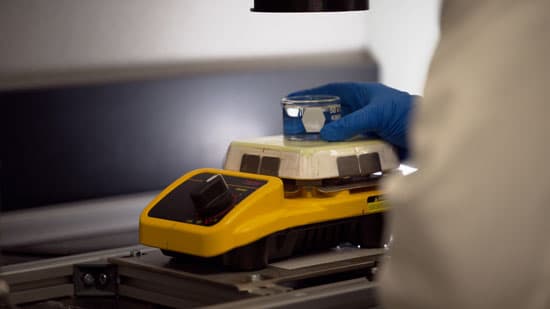
It all starts with a water sample.
We will measure characteristics of your water critical to UV AOP performance – such as UV transmittance, pH, nitrate ion concentration, and radical scavenging – to determine if UV AOP makes sense for your treatment plant.
TrojanUV Systems for UV Advanced Oxidation
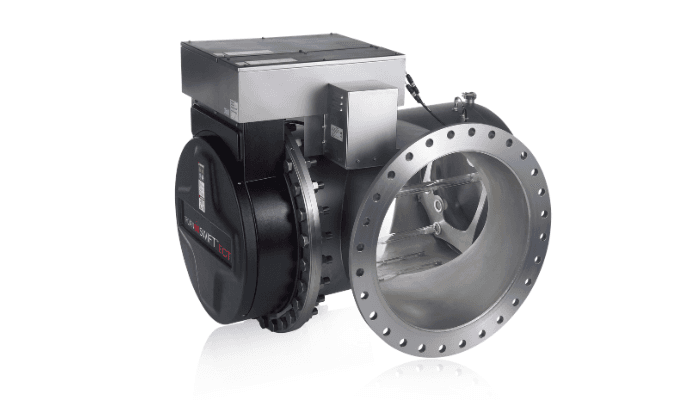
TrojanUVSwiftECT
An advanced oxidation system that treats drinking water and has the capability to provide simultaneous treatment for seasonal taste and odor events, when required.
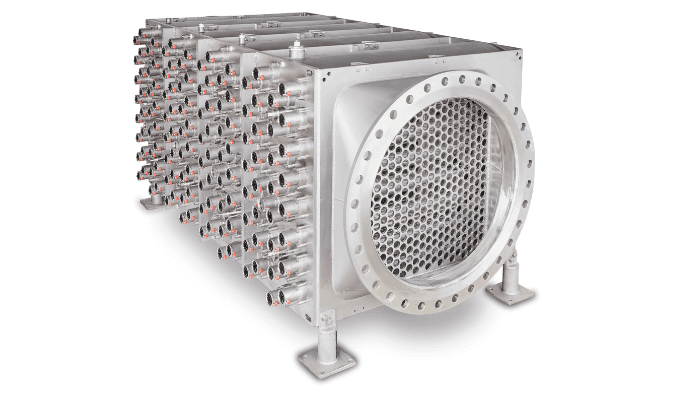
TrojanUVFlexAOP
An advanced oxidation system designed to treat contaminants in potable reuse and drinking water remediation applications to provide high quality drinking water.
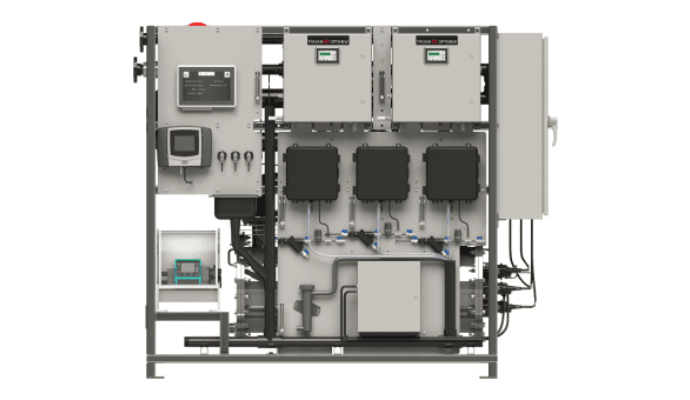
TrojanUV AOP Demonstration System
A fully packaged UV AOP system with oxidant and instrumentation options designed for demonstration, feasibility, and piloting work.