


About Taste- and Odor-Causing Compounds
The primary sources of taste and odor problems in drinking water are algae and other microorganisms
There are a variety of different taste types, including sour, sweet, salty and bitter; and a variety of different odor types, including earthy, musty, and chemical
When large numbers of algae and organisms flourish in a water body (i.e., an algae bloom), taste- and odor-causing compound concentrations increase to problematic levels
Taste and odor (T&O) events in municipal drinking water occur as a result of algae blooms in surface water sources. A bloom occurs in a surface water body when light, temperature, and nutrient conditions are favorable for one type of algae or organism over another. This combination allows one organism to become dominant. It is an ecological imbalance often triggered by pollution.
Taste- and Odor-causing Compounds
Taste or Odor | Source |
|---|---|
Earthy | Geosmin |
Musty | MIB, isopropylmethoxypyrazine (IPMP), isobutylmethoxypyrazine (IBMP) |
Turpentine, oily | Methyl tertiary butyl ether (MTBE) |
Fishy/rancid | 2,4-Heptadienal, decandienal, octanal |
Chlorinous | Chlorine |
Medicinal | Chlorophenols, iodoform |
Oily, gas-like, paint | Hydrocarbons, volatile organic compounds (VOCs) |
Metallic | Iron, copper, zinc, manganese |
Grassy | Green algae |
Nitrates, organic phosphorus and ammonia are discharged into the water body from water treatment plants or are carried in by watershed runoff (including runoff from pig and cattle feed lots and fertilizer from agricultural fields). The conditions favorable to blooms are seasonal. Spring and winter conditions favor golden brown algae and fishy, cucumber odors. Summer and fall conditions favor geosmin and MIB-producing microorganisms and earthy and musty odors.
Algal Toxins
Algae blooms can release potent algal toxins into the water. In addition to producing chemicals that impact the aesthetic quality of water, certain species of cyanobacteria produce toxins (“cyanotoxins”) that can cause harm to animals and humans. Toxic cyanobacteria are indistinguishable from non-toxic cyanobacteria under a microscope and both types may be present in a bloom.
Taste and Odor Treatment Using UV
MIB, geosmin, MTBE, phenols, VOCs, and many other contaminants can be treated with the UV advanced oxidation process (UV AOP).
UV converts the oxidant (e.g., hydrogen peroxide) into highly reactive oxidizing radicals.
The oxidizing radicals attack and decompose contaminants.
At the same time, UV light treats the water.
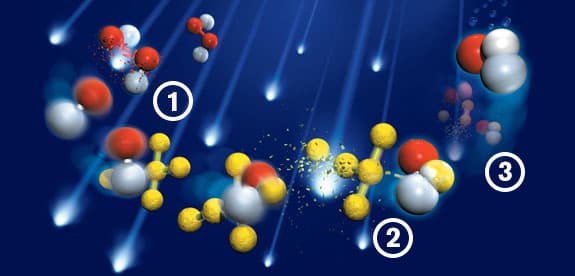
This technology requires the photolysis of hydrogen peroxide with UV light to generate hydroxyl radicals. The hydroxyl radical is one of the most powerful oxidizing agents known and reacts rapidly with organic constituents in the water, including taste and odor compounds, breaking them down into their elemental, non-odorous components.
TrojanUV Systems for Taste & Odor Treatment
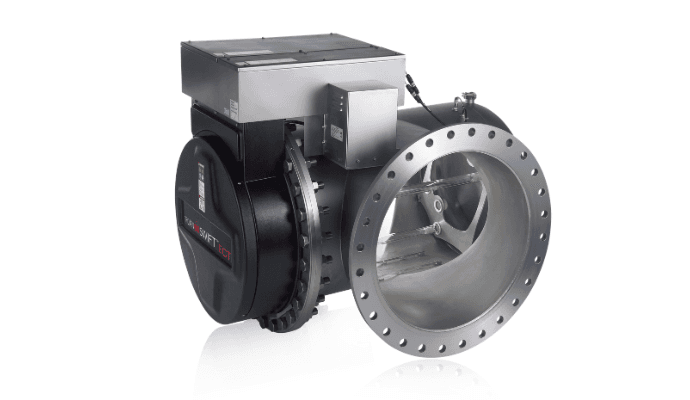
TrojanUVSwiftECT
An advanced oxidation system that treats drinking water and has the capability to provide simultaneous treatment for seasonal taste and odor events, when required.


