

UV Applications in Recreational Water
Swimming pool water requires continuous treatment to control harmful substances and microorganisms and to maintain water quality suitable for recreational use. Without effective treatment, contaminants introduced by swimmers and the environment can quickly compromise pool conditions.
One of the most common challenges in swimming pools is the formation of chloramines and chlorinated organic compounds. These by‑products are responsible for the familiar “pool smell” and are known to cause eye, nose, and throat irritation.
For many pool operators, chlorine remains the primary method of disinfection. However, increasing awareness of the potential health impacts associated with chlorine and its by‑products has prompted interest in alternative or supplemental treatment approaches. In addition, certain pathogens present a significant limitation to chlorine-based treatment alone.
Cryptosporidium, a chlorine‑resistant protozoan parasite, poses a particular concern in recreational water venues. Unlike many bacteria, Cryptosporidium oocysts can survive for days in chlorinated pool water and have been linked to numerous outbreaks of waterborne illness.
The continued growth of recreational water facilities, combined with the frequency and geographic spread of cryptosporidiosis outbreaks, highlights the need for improved and more robust pool water treatment strategies. Advanced treatment technologies can play a critical role in enhancing water quality, reducing disinfection by‑products, and improving overall swimmer experience.


UV and Chlorine
UV light represents a powerful technology that has been successfully deployed in swimming pools for several years. UV treatment of pools and splash parks is a complementary way of providing an effective method of inactivating a wide range of waterborne microorganisms including Cryptosporidium.
UV treats and simultaneously reduces chloramines and chloro-organics instantly as the water passes through the treatment chamber. The use of UV treatment for pools is particularly suitable for bathers who are sensitive to the usual swimming pool treatment or are allergic to chlorine.
UV is not designed to completely replace chlorine, but through an elimination of the need for periodic shocking, well-maintained pools can see significant reductions in chlorine usage.
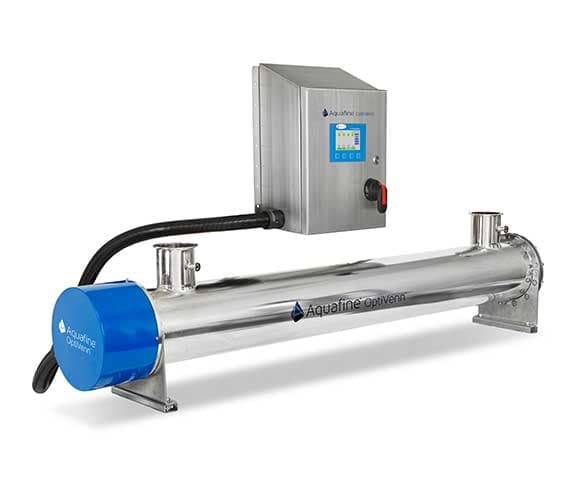
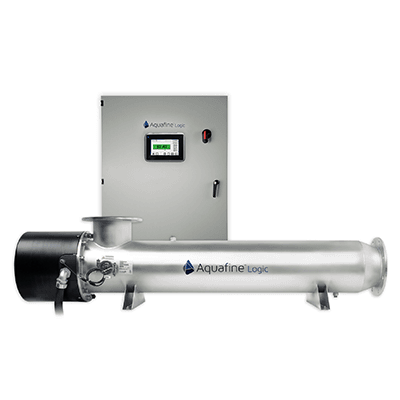
Aquafine UV Systems for the Recreational Water Market